{{filter.label}}
Holidays in Rincón de la Victoria,
History Highlights
Prehistoric Roots: The area has a rich history, with evidence of human presence dating back to the Middle and Upper Paleolithic periods found in the nearby Cueva del Tesoro (Treasure Cave) and Cueva de la Victoria.
Ancient Settlements: It was later inhabited by Phoenicians (who founded a settlement in the 7th century BC on the Benagalbón hill) and Romans (who built a fortified village called Bezmiliana).
Moorish Era: The town, then known as Bezmiliana, became an important medina during the Al-Andalus period. Nasrid rulers built lookout towers along the coast in the 14th and 15th centuries.
Defense & Rebirth: After the Christian Reconquest, the area declined until the 18th century when King Charles III ordered the construction of the Casa Fuerte de Bezmiliana (Bezmiliana Fortified House) to defend against pirates.
Modern Name: The name Rincón de la Victoria (meaning "corner of victory") came into official use in the mid-20th century, deriving from a local monastery of the Minims dedicated to the Virgin of Victory. It replaced the older name, Benagalbón.
Description
Location: Situated on the Costa del Sol, just 12 km east of Málaga city, serving as the gateway to the Axarquía region.
Geography: It is a coastal municipality featuring low cliffs, coves, and long beaches, backed by the foothills of the Montes de Málaga.
Climate: Mediterranean, with very mild winters (never having recorded a day of frost) and hot, dry summers.
Structure: It consists of four main urban areas along the coast: La Cala del Moral, Rincón de la Victoria, Torre de Benagalbón, and the inland village of Benagalbón.
Economy: Traditionally a fishing village, the economy is now heavily focused on tourism, residential development, and subtropical agriculture inland.
Typical Foods (Gastronomy)
The local cuisine is dominated by fresh seafood, which is often enjoyed at chiringuitos (beachside restaurants).
Boquerón Victoriano: This is the town's signature dish, referring to the Victoria anchovy, which is often served fried (boquerones fritos).
Espetos de Sardinas: Sardine skewers, cooked over an open fire in a boat on the beach—a quintessential Málaga and Rincón de la Victoria experience.
Pescaito Frito: A general term for an assortment of locally caught fried fish, including calamaritos (fried baby squid), rosada (white fish), and more.
Other Specialties: Look for paella (rice dish), dorada al sal (sea bass baked in a salt crust), and in the summer, cold soups like Ajoblanco and Zoque (a local gazpacho).
Tapas: Many bars offer free tapas with a drink (caña or vino), making a "tapas crawl" a popular activity.
Activities: Summer & Winter
The excellent climate allows for many activities year-round, though the pace picks up significantly in the summer.
Season Activities & Attractions
Year-Round Cueva del Tesoro (Treasure Cave): Europe's only marine-origin cave open to the public, with a unique underground lake and prehistoric remains.
Casa Fuerte de Bezmiliana: An 18th-century fortress, now a cultural center hosting exhibitions.
Paseo Marítimo (Promenade): A long, scenic coastal walk, part of which is an old railway line, connecting the town centers and ideal for walking or cycling.
Villa Antiopa (Roman Villa): A well-preserved Roman maritime villa with mosaics and an immersive virtual reality experience.
Golf: The Añoreta Golf Course offers a challenging round with sea views.
Summer Beaches & Water Sports: Sunbathing on the main beaches (Playa del Rincón, Playa de la Cala del Moral), swimming, paddleboarding, kayaking, and jet skis.
Summer Fairs (Ferias): The main town Feria in mid-July coincides with the Virgen del Carmen festival.
Beach Chiringuitos: Enjoying fresh espetos and cold drinks right on the sand.
Winter Hiking: Exploring the inland area and the foothills of the Montes de Málaga for cooler, quieter walks.
Cultural Tourism: Visiting the museums and historic sites without the crowds.
Day Trips: Rincón serves as a great base for visiting Málaga city (15-20 min drive) or other key Andalusian sites like the Caminito del Rey.
Shops
Rincón de la Victoria has a mix of traditional local shops and modern convenience:
Promenade Shops: Small boutiques and shops line the Paseo Marítimo, selling beachwear, souvenirs, and local crafts.
Shopping Centre: The municipality has a large Shopping Centre (often featuring major Spanish brands like Carrefour, Stradivarius, Springfield, etc.), providing a wider range of retail options.
Markets: Local markets offer fresh produce, clothes, and household items on designated market days.
Festivals
Festivals in Rincón de la Victoria reflect its religious and maritime heritage, as well as its local products:
Virgen del Carmen (July 16th): The most important festival, honoring the patron saint of fishermen. The statue of the Virgin is carried in a spectacular marine procession on a fishing boat out to sea.
Feria de Rincón de la Victoria (Mid-July): The main town fair with traditional and contemporary leisure, music, and gastronomy.
Victorian Boquerón Festival (September): A celebrated gastronomic festival focusing on the signature local anchovy, offering many ways to taste this fish.
Verdiales Music Traditional Contest (September): A cultural event held in Benagalbón, celebrating the traditional local folk music and dance style called Verdiales.
Tapas Route (Various times, often November): A popular gastronomic event where numerous bars offer special tapas at affordable prices.
Nature
The town's natural environment is defined by its coastal position and proximity to the mountains:
Beaches and Cliffs: The coastline is a mix of long, sandy beaches and the distinctive cliffs and headland of El Cantal that separate the different coastal towns.
Caves: The Cueva del Tesoro and Cueva de la Victoria are significant natural and archaeological sites, providing a glimpse into the region's deep history and geology.
Axarquía Foothills: The northern part of the municipality is characterized by the southern slopes of the Montes de Málaga, featuring a rugged landscape and fertile inland valleys (Benagalbón valley) where subtropical crops like avocados and almonds are grown.
Paseo Marítimo Tunnel: The old railway tunnels converted into a pedestrian and cycle path offer a unique, close-up experience of the coastal geology.
Prehistoric Roots: The area has a rich history, with evidence of human presence dating back to the Middle and Upper Paleolithic periods found in the nearby Cueva del Tesoro (Treasure Cave) and Cueva de la Victoria.
Ancient Settlements: It was later inhabited by Phoenicians (who founded a settlement in the 7th century BC on the Benagalbón hill) and Romans (who built a fortified village called Bezmiliana).
Moorish Era: The town, then known as Bezmiliana, became an important medina during the Al-Andalus period. Nasrid rulers built lookout towers along the coast in the 14th and 15th centuries.
Defense & Rebirth: After the Christian Reconquest, the area declined until the 18th century when King Charles III ordered the construction of the Casa Fuerte de Bezmiliana (Bezmiliana Fortified House) to defend against pirates.
Modern Name: The name Rincón de la Victoria (meaning "corner of victory") came into official use in the mid-20th century, deriving from a local monastery of the Minims dedicated to the Virgin of Victory. It replaced the older name, Benagalbón.
Description
Location: Situated on the Costa del Sol, just 12 km east of Málaga city, serving as the gateway to the Axarquía region.
Geography: It is a coastal municipality featuring low cliffs, coves, and long beaches, backed by the foothills of the Montes de Málaga.
Climate: Mediterranean, with very mild winters (never having recorded a day of frost) and hot, dry summers.
Structure: It consists of four main urban areas along the coast: La Cala del Moral, Rincón de la Victoria, Torre de Benagalbón, and the inland village of Benagalbón.
Economy: Traditionally a fishing village, the economy is now heavily focused on tourism, residential development, and subtropical agriculture inland.
Typical Foods (Gastronomy)
The local cuisine is dominated by fresh seafood, which is often enjoyed at chiringuitos (beachside restaurants).
Boquerón Victoriano: This is the town's signature dish, referring to the Victoria anchovy, which is often served fried (boquerones fritos).
Espetos de Sardinas: Sardine skewers, cooked over an open fire in a boat on the beach—a quintessential Málaga and Rincón de la Victoria experience.
Pescaito Frito: A general term for an assortment of locally caught fried fish, including calamaritos (fried baby squid), rosada (white fish), and more.
Other Specialties: Look for paella (rice dish), dorada al sal (sea bass baked in a salt crust), and in the summer, cold soups like Ajoblanco and Zoque (a local gazpacho).
Tapas: Many bars offer free tapas with a drink (caña or vino), making a "tapas crawl" a popular activity.
Activities: Summer & Winter
The excellent climate allows for many activities year-round, though the pace picks up significantly in the summer.
Season Activities & Attractions
Year-Round Cueva del Tesoro (Treasure Cave): Europe's only marine-origin cave open to the public, with a unique underground lake and prehistoric remains.
Casa Fuerte de Bezmiliana: An 18th-century fortress, now a cultural center hosting exhibitions.
Paseo Marítimo (Promenade): A long, scenic coastal walk, part of which is an old railway line, connecting the town centers and ideal for walking or cycling.
Villa Antiopa (Roman Villa): A well-preserved Roman maritime villa with mosaics and an immersive virtual reality experience.
Golf: The Añoreta Golf Course offers a challenging round with sea views.
Summer Beaches & Water Sports: Sunbathing on the main beaches (Playa del Rincón, Playa de la Cala del Moral), swimming, paddleboarding, kayaking, and jet skis.
Summer Fairs (Ferias): The main town Feria in mid-July coincides with the Virgen del Carmen festival.
Beach Chiringuitos: Enjoying fresh espetos and cold drinks right on the sand.
Winter Hiking: Exploring the inland area and the foothills of the Montes de Málaga for cooler, quieter walks.
Cultural Tourism: Visiting the museums and historic sites without the crowds.
Day Trips: Rincón serves as a great base for visiting Málaga city (15-20 min drive) or other key Andalusian sites like the Caminito del Rey.
Shops
Rincón de la Victoria has a mix of traditional local shops and modern convenience:
Promenade Shops: Small boutiques and shops line the Paseo Marítimo, selling beachwear, souvenirs, and local crafts.
Shopping Centre: The municipality has a large Shopping Centre (often featuring major Spanish brands like Carrefour, Stradivarius, Springfield, etc.), providing a wider range of retail options.
Markets: Local markets offer fresh produce, clothes, and household items on designated market days.
Festivals
Festivals in Rincón de la Victoria reflect its religious and maritime heritage, as well as its local products:
Virgen del Carmen (July 16th): The most important festival, honoring the patron saint of fishermen. The statue of the Virgin is carried in a spectacular marine procession on a fishing boat out to sea.
Feria de Rincón de la Victoria (Mid-July): The main town fair with traditional and contemporary leisure, music, and gastronomy.
Victorian Boquerón Festival (September): A celebrated gastronomic festival focusing on the signature local anchovy, offering many ways to taste this fish.
Verdiales Music Traditional Contest (September): A cultural event held in Benagalbón, celebrating the traditional local folk music and dance style called Verdiales.
Tapas Route (Various times, often November): A popular gastronomic event where numerous bars offer special tapas at affordable prices.
Nature
The town's natural environment is defined by its coastal position and proximity to the mountains:
Beaches and Cliffs: The coastline is a mix of long, sandy beaches and the distinctive cliffs and headland of El Cantal that separate the different coastal towns.
Caves: The Cueva del Tesoro and Cueva de la Victoria are significant natural and archaeological sites, providing a glimpse into the region's deep history and geology.
Axarquía Foothills: The northern part of the municipality is characterized by the southern slopes of the Montes de Málaga, featuring a rugged landscape and fertile inland valleys (Benagalbón valley) where subtropical crops like avocados and almonds are grown.
Paseo Marítimo Tunnel: The old railway tunnels converted into a pedestrian and cycle path offer a unique, close-up experience of the coastal geology.
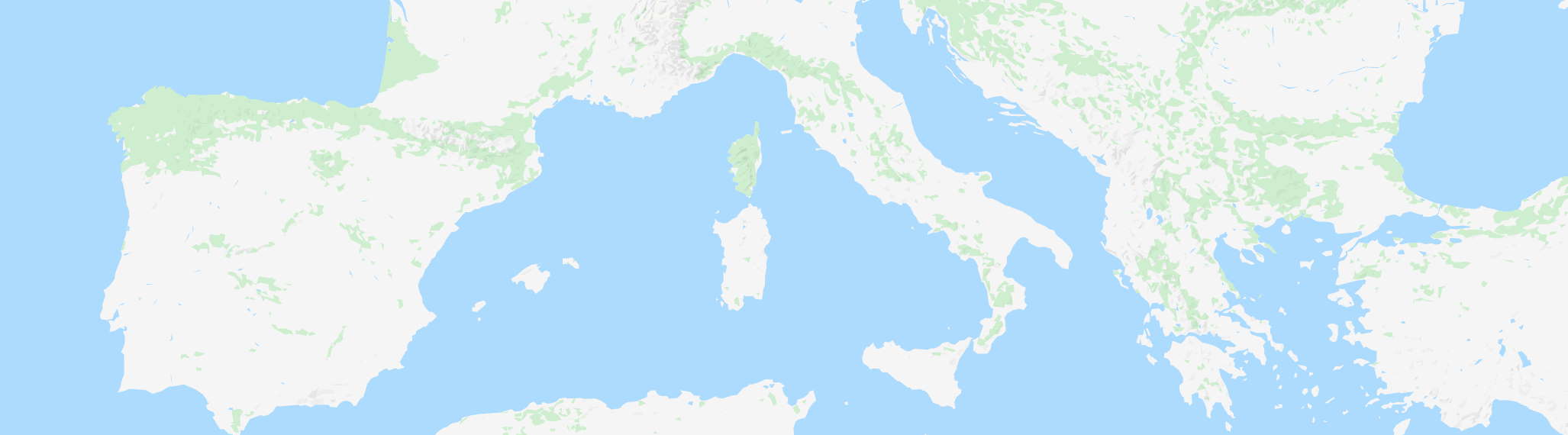
Click to show the map